August 14, 2026
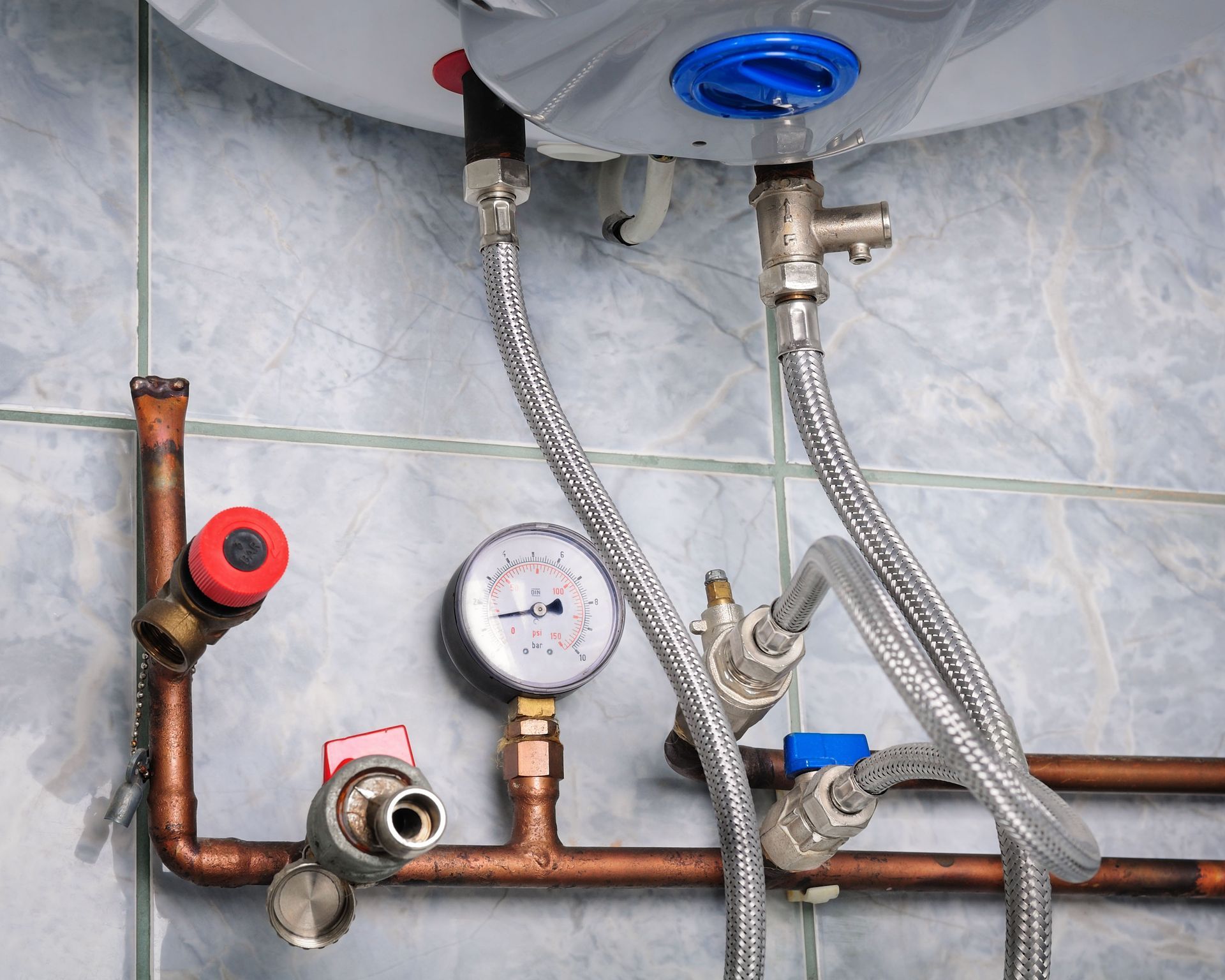
A pressure regulator plays a crucial role in maintaining optimal water pressure for your residential plumbing. It keeps pressure within a safe range, preventing damage to pipes, fixtures, and appliances. Over time, this component may require professional repairs due to wear or mechanical breakdown. Understanding its function helps homeowners identify issues early and prepare for service.
When a regulator fails, water pressure becomes erratic and unpredictable throughout the home. Uncontrolled pressure spikes put severe stress on your system, increasing the likelihood of leaks and costly fixture damage. Knowing what to expect during professional plumbing repairs empowers you to protect your property and maintain consistent, reliable water flow across all fixtures.
Recognize Signs of Equipment Breakdown
Fluctuating water pressure is one of the most common indicators that your pressure regulator is failing. You might notice showers suddenly shifting between high pressure and a weak trickle, or faucets spraying wildly. These sudden shifts strain supply lines and joints, making timely plumbing repairs essential to prevent pipe ruptures or hidden leaks.
Unusual noises originating from your pipes also signal potential problems with your pressure regulator. Banging, whistling, or loud chattering sounds often occur when water flows through lines due to sudden pressure shifts known as water hammer. A faulty regulator fails to dampen these fluid dynamics effectively, stressing pipe connectors throughout your home.
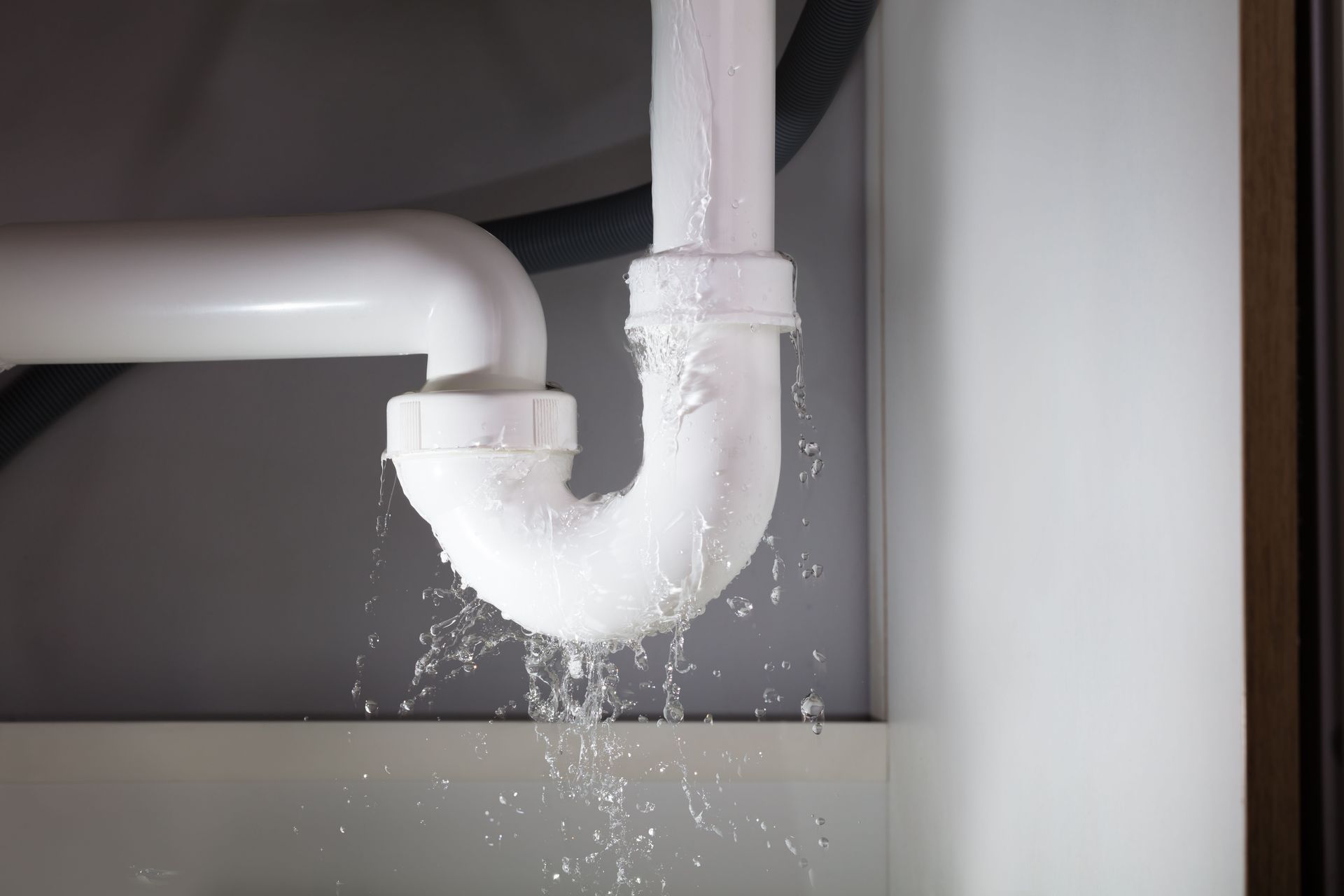
Visible water pooling or slow drips near the regulator point to failing internal seals or loose connections. Unaddressed leaks waste significant volumes of water and risk causing structural damage to surrounding walls or flooring. Catching these small leaks early allows technicians to perform necessary plumbing repairs before moisture breeds mold or rot.
Noticeable shifts in water temperature and physical corrosion on the regulator body signal system decline. Inconsistent pressure disrupts the balanced flow required by hot water heaters, leading to uncomfortable shower temperature swings. Meanwhile, rust or mineral crust on metal casing indicates environmental wear, confirming the regulator can no longer manage pressure safely.
Diagnose System Faults With Professional Expertise
A comprehensive evaluation begins with a detailed visual examination conducted by a licensed plumber. The specialist inspects the regulator body, fittings, and surrounding pipework for visible signs of corrosion, wear, or physical deterioration. This initial check provides immediate context regarding whether the unit is responsible for erratic household water pressure.
Technicians utilize specialized testing equipment to measure static and dynamic water pressure across your supply lines. Deviations from standard operating parameters reveal whether the regulator allows dangerous pressure spikes or restricts flow excessively. According to HomeGuide, a typical replacement of a water pressure regulator requires roughly 3 hours to finish, establishing a clear diagnostic baseline.
Checking for internal blockages is another critical phase of professional diagnostic evaluation. Sediment and mineral deposits can accumulate over time inside the regulator housing, jamming internal valves and restricting movement. Disassembling components allows the technician to clean out obstructions or determine whether internal damage necessitates complete unit replacement.
Plumbers assess the complete piping network alongside modern digital diagnostic tools to ensure accurate findings. Evaluating main lines and individual fixtures prevents mistaking a clogged valve elsewhere for a faulty regulator. Digital diagnostic devices capture precise performance metrics, giving technicians clear data to recommend targeted plumbing repairs that resolve root causes.
Execute Step-by-Step Pressure Regulator Replacement
The replacement process starts with isolating the home's primary water supply to prevent flooding and water damage. Technicians locate the main shut-off valve, close it securely, and open downstream faucets to drain residual water and relieve line pressure. Proper site preparation creates a dry, controlled workspace that allows technicians to perform necessary plumbing repairs cleanly.
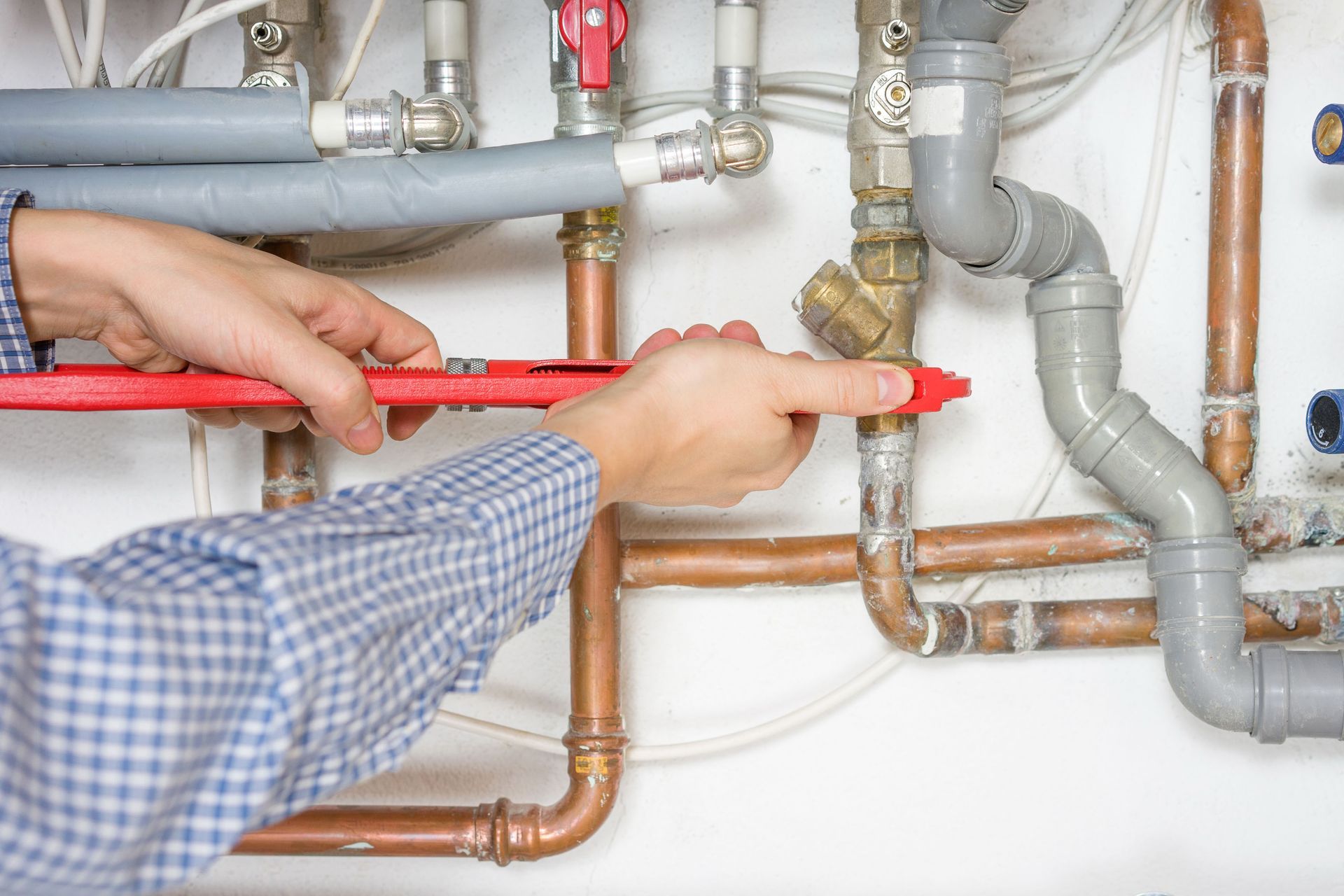
Once lines are drained, technicians carefully disconnect the failed regulator using specialized plumbing tools. Disconnecting old fittings requires precision to avoid stripping threads or damaging adjacent piping networks. Examining the removed component gives the plumber valuable insights into specific failure causes, helping select the proper replacement unit for your property.
Installing the replacement regulator demands accurate alignment and careful handling to ensure optimal performance. The technician sets the new unit in place, applying commercial-grade thread sealant and Teflon tape to form watertight joints. Precise alignment prevents stress on connecting pipes, ensuring the new regulator functions smoothly under daily household demand.
Securing all connections and conducting rigorous operational checks complete the physical restoration process. Technicians tighten fittings to exact manufacturer specifications, restore main water flow, and inspect every connection for leaks. Finally, they adjust the regulator setting to maintain consistent household pressure, delivering total peace of mind for homeowners.
Evaluate Repair Timelines and Related Costs
Understanding the financial factors involved in regulator servicing helps homeowners plan effectively for necessary work. Total costs depend on variable elements, including component accessibility, system complexity, and local labor rates. Emergency calls or hard-to-reach piping configurations naturally increase overall expenses compared to standard scheduled service appointments.
A typical cost structure combines specialized hardware expenses with qualified labor hours. Simple adjustments or seal replacements require less investment, whereas full unit replacements demand high-quality components designed for long-term durability. Obtaining a written estimate before work begins ensures complete clarity regarding parts and installation expenses.
Evaluating time requirements allows residents to schedule service without disrupting daily family routines significantly. Timeframes vary depending on underlying system conditions, pipe accessibility, and whether secondary pipework requires attention. Preparing the work area in advance helps technicians complete their tasks efficiently without unnecessary operational delays.
Weighing do-it-yourself attempts against professional service highlights the distinct value of skilled trade expertise. While DIY work might seem cost-effective initially, mistakes can lead to severe water damage, voided equipment warranties, and expensive secondary plumbing repairs. Certified technicians ensure reliable installation, proper calibration, and lasting protection for your investment.
Maintain Long-Term Plumbing System Health
Routine maintenance inspections provide the strongest defense against unexpected equipment failures and emergency expenses. Having a licensed professional check your pressure regulator periodically ensures early detection of minor wear or creeping pressure changes. Scheduled servicing keeps internal components clean, correctly calibrated, and capable of protecting your entire plumbing network.
Monitoring household water pressure independently serves as an effective preventive measure for attentive homeowners. Attaching a simple pressure gauge to an outside spigot allows you to track pressure stability over time. Promptly reporting unusual pressure spikes or drops to a qualified plumber prevents hidden strain on appliances and supply lines.
Addressing minor leaks or slight pressure variations immediately prevents small issues from escalating into major disasters. Ignoring minor warning signs allows internal component wear to worsen, potentially causing pipe joint failure or appliance damage. Timely attention to minor anomalies preserves system integrity and reduces overall long-term maintenance costs.
Investing in top-tier replacement components and maintaining ongoing relationships with expert tradespeople protects your home's infrastructure. High-quality regulators resist corrosion and wear far better than budget alternatives, providing years of trouble-free operation. Consulting experienced technicians guarantees that your system receives appropriate care tailored to your specific needs.
Managing residential water pressure is crucial for safeguarding your pipes, fixtures, and household appliances against unnecessary damage. Recognizing early warning signs, understanding the diagnostic process, and investing in timely plumbing repairs ensures consistent water flow and long-term peace of mind. Taking a proactive approach to maintenance saves money and prevents disruptive plumbing emergencies.
When you suspect pressure issues or require routine system maintenance, partnering with experienced professionals guarantees dependable results. Our team brings deep technical expertise and dedicated care to every job, keeping your home's water system running smoothly. Reach out to us at Certified Plumbing for all your residential pressure regulator services and essential plumbing repairs.